
Traditional Amish mashed potatoes are creamy, fluffy, and topped with browned butter for extra flavor. They're made with simple ingredients and are a side dish often served at Amish weddings, holiday dinners, and family meals.
Growing up Amish, we ate mashed potatoes at least once a week. We kept them simple with butter, milk, salt, and pepper, and they were always topped with brown butter. To me, mashed potatoes just aren't the same without that delicious browned butter on top.

Jump to:
- Why You'll Love These Amish Mashed Potatoes
- Ingredients
- What Kind of Potatoes Are Best for Mashed Potatoes?
- How to Make Creamy Mashed Potatoes
- Using a Mixer to Make Fluffy Mashed Potatoes
- How Do the Amish Mash Potatoes?
- Brown Butter Mashed Potatoes
- Make-Ahead Mashed Potatoes
- Homemade vs. Instant Mashed Potatoes
- Growing Potatoes
- What to Serve with Mashed Potatoes
- More Potato Recipes
- 📖 Recipe Card
Why You'll Love These Amish Mashed Potatoes
- Creamy, fluffy homemade mashed potatoes
- Made with simple, everyday ingredients
- Topped with flavorful brown butter
- Easy side dish for almost any meal
Ingredients
- Potatoes: Russet or Yukon Gold potatoes both work well. I personally prefer Yukon Golds, but I often use Russets since they're less expensive.
- Salted butter: Adds richness and flavor to the potatoes and is also used to make the browned butter for the top.
- Whole milk: Makes the mashed potatoes smooth and creamy. You can use whatever milk you have on hand or substitute some heavy cream for extra richness.
- Salt and black pepper: Simple seasonings are all you need. Adjust to taste.
- Parsley flakes: Optional, but I like to add them mostly for a little color.
What Kind of Potatoes Are Best for Mashed Potatoes?
Russet (Idaho) and Yukon Gold potatoes are both great choices for making mashed potatoes. They have plenty of starch and mash up nicely for creamy, fluffy potatoes.
Personally, I think Yukon Gold potatoes make the best mashed potatoes. They have a naturally buttery flavor and creamy texture. But they're usually more expensive, so I often use Russet potatoes instead. Either one works well for this recipe.
You can also use red potatoes if that's what you have on hand. They have a slightly different texture, but they still make good mashed potatoes.
How to Make Creamy Mashed Potatoes
- Peel and rinse the potatoes. I usually peel my potatoes, but if you're using potatoes with thin, tender skins, you can leave some or all of the skin on if you prefer. Just scrub them well before cooking.
- Cut the potatoes. Cut them into slices or cubes, whichever you prefer. I slice mine fairly thin so they cook faster and evenly.
- Cover with water. Place the potatoes in a large kettle and add enough water to almost cover them. If you peel and cut your potatoes ahead of time, keep them covered with cold water to prevent them from turning brown.
- Cook until very soft. Cover the pot and bring the potatoes to a boil over high heat. Reduce the heat to medium and cook until they're very soft and easily pierced with a fork, usually about 20 minutes.
Some people enjoy mashed potatoes with a few chunks, but that wasn't how we made them in my Amish community. Our mashed potatoes were expected to be smooth and creamy, so we cooked the potatoes until they were very soft before mashing them.

Using a Mixer to Make Fluffy Mashed Potatoes
Some people declare you shouldn't use an electric mixer to mash potatoes because it can make them gummy. I've used a mixer for years with good results, and my Amish mom used a mixer as well. The only reason using a mixer would cause a problem is if you end up overmixing them, as it can release too much starch and contribute to a gummy texture.
I've also found that it makes a difference how the potatoes are cooked. Don't let fully cooked potatoes sit in the cooking water after you turn off the heat. I keep mine at a low boil until I'm ready to mash them, then drain and mash them right away for the best results.
Using an electric mixer on medium-low speed, mash the potatoes just until there are no chunks remaining. Add the butter, salt, and pepper, then slowly add the milk or cream while mixing until the potatoes are smooth and creamy. Once they're creamy, stop mixing.
If the mashed potatoes need to sit for a little while before serving, warm the milk before adding it and make the potatoes slightly thinner than you normally would. The warm milk helps keep them hot longer, and the potatoes will thicken as they cool.
How Do the Amish Mash Potatoes?
Obviously, most of the Amish ladies mash their potatoes with a hand masher. And that's a good option if you want to give your arm a workout.
As an Amish girl growing up, whenever we cooked for a large crowd, we'd have a huge pot of potatoes to mash. We used a hand masher, and it would tire out our arms before we got them all nice and creamy. So we took turns mashing.
But I grew up New Order Amish, and we had electricity. So we always used an electric mixer to mash a small pot of potatoes, and I still use an electric mixer to mash mine.
Brown Butter Mashed Potatoes
Brown butter is one of the things that makes traditional Amish and Pennsylvania Dutch mashed potatoes so delicious. It's very easy to make brown butter. And it's definitely the ingredient that takes mashed potatoes from delicious to divine!
To make brown butter, melt salted butter over medium heat and continue cooking until it becomes foamy and turns a light caramel color with brown flecks on the bottom. You'll also notice a wonderful nutty aroma. I always use salted butter for the extra flavor.
Keep a close eye on it because butter can quickly go from nicely browned to burnt. A little dark is fine, but if it starts smoking, you've probably taken it too far.
Pour the warm brown butter over the creamy mashed potatoes just before serving. And if you've never tried brown butter on cooked vegetables, try that too - you may never want plain butter on them again. 🙂

Make-Ahead Mashed Potatoes
I prefer the simple Amish mashed potatoes I grew up with. We usually made them with butter, milk, salt, and pepper, and that's still how I like them best. I often add a bit of parsley for color or a little garlic powder, but I don't like anything to overpower the flavor of the potatoes.
However, if you're making mashed potatoes ahead of time for a holiday dinner or potluck, adding a little sour cream and cream cheese can help them stay creamy instead of getting stiff as they sit. For 3 pounds of potatoes, try adding about 4 ounces of softened cream cheese and ¼-½ cup sour cream. You can add more if you like them extra rich and creamy.
Make the potatoes slightly softer than you normally would, since they'll thicken as they cool. Refrigerate until needed, then reheat gently, adding a splash of milk if they're too thick. Add the brown butter just before serving.
Homemade vs. Instant Mashed Potatoes
If you've never made homemade mashed potatoes before, they're really quite simple. And once you're used to homemade, it's hard to go back to instant potatoes.
I tried to get my kids to eat instant mashed potatoes once. I even doctored them up and added brown butter, but they refused to eat them because they thought they were nasty. 😄
Honestly, I can't blame them. They're used to homemade mashed potatoes, and packaged potatoes just can't compare with the real thing.

Growing Potatoes
We always had plenty of potatoes, because every year we grew several rows of them in our huge garden.
Actually, for a few years, we grew enough potatoes to sell. We planted them in our field and had a potato digger that we pulled behind our tractor once they were ready to dig. It was the kids' job to pick them up, and our reward at the end of the day was a bowl of ice cream.
We sold a lot of them and stored the rest in our root cellar to last us till the next season. Therefore, with potatoes being plentiful, they were a regular staple in our home and a perfect side dish with many meals.
What to Serve with Mashed Potatoes
Mashed potatoes go with almost any meat and vegetable, but these are a few of my favorite Amish and Pennsylvania Dutch dishes to serve with them:
More Potato Recipes
Looking for more ways to serve potatoes? Here are a few more of my favorite Amish potato recipes:
- Crispy Parmesan Potatoes
- Scalloped Potatoes
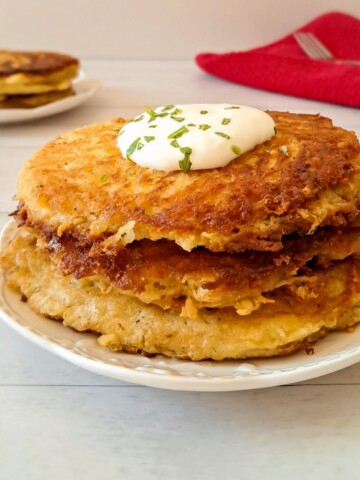
- Potato Pancakes
- Potato Salad
- Sweet Potato Casserole with Pecan Streusel Topping
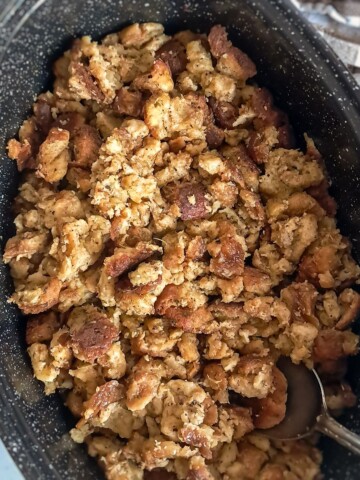
If you have lots of leftover mashed potatoes, use them to make this delicious PA Dutch Potato Filling or Underground Ham Casserole.
Brown butter mashed potatoes were a regular part of meals when I was growing up Amish, and they're still one of my favorite ways to serve potatoes today. I hope your family enjoys this simple recipe as much as mine does.
If you try these Amish mashed potatoes, I'd love to hear from you in the comments below. Thank you! And I'm curious - Do you serve them with brown butter?
Visit my shop to purchase my cookbook
📖 Recipe Card

Traditional, Creamy Amish Mashed Potatoes Recipe
Ingredients
- 3 pounds russet or gold potatoes approx. 9 -10 potatoes
- 7 - 8 tablespoons salted butter, divided (approx. 1 stick)
- ¾ to 1 cup whole milk can use whatever milk you have on hand, but if you like your potatoes more creamy try substituting some heavy cream for the milk
- 1 ¼ teaspoon salt more or less to suit your taste
- ½ teaspoon black pepper
- ½ teaspoon parsley flakes, optional

Instructions
- Peel and rinse your potatoes.
- Cut potatoes into slices or chunks and place them in a large cooking pot. Almost cover with water, and place the lid on.3 pounds russet or gold potatoes
- Bring to a boil over high heat. Reduce temperature to medium and cook for about 20 minutes, or until fork tender. You'll want them nice and soft so they are easier to mash without leaving lumps.
- Meanwhile, as you're waiting for your potatoes to cook, you can prepare the brown butter. Place about 3 Tbs. salted butter into a saucepan or small skillet. Melt over medium/low heat, and continue cooking until it smells nutty and looks slightly browned. It may continue browning a bit more after removing it from the heat, so keep your eye on it. You don't want it burned.7 - 8 tablespoons salted butter, divided
- Drain the water from the potatoes. Mash with a hand masher or electric mixer until no more chunks remain.
- Add the remaining 4 - 5 Tbs. butter, salt, pepper, and parsley flakes. Mix to combine.1 ¼ teaspoon salt, ½ teaspoon black pepper, ½ teaspoon parsley flakes, optional
- Slowly add milk (a little at a time), continuing to mix, and scraping the sides and bottom to make sure it's all incorporated. You may not need all the milk, just add till it's the right consistency for you. And you can substitute some heavy cream for milk if you like it more creamy.¾ to 1 cup whole milk
- Mix until the potatoes are nice and creamy, and serve topped with brown butter.
- Refrigerate and reheat any leftovers, if they're too thick add a bit more milk.
Notes
- For smooth, creamy potatoes: Cook the potatoes until very soft and easily pierced with a fork. Keep them at a low boil until you're ready to drain and mash them. Don't turn off the heat and let fully cooked potatoes sit in the cooking water, as I've found this can result in gummy mashed potatoes.
- If using an electric mixer: Mix on medium-low speed only until the potatoes are smooth and creamy. Avoid overmixing, since too much mixing can release excess starch and make the potatoes gummy.
- If not serving immediately: Make the potatoes slightly thinner than usual, since they will thicken as they sit. Warming the milk before adding it can also help keep the potatoes hot longer.
- Variations: Add chives, garlic powder, or other seasonings if desired.
- For make-ahead mashed potatoes: For 3 pounds of potatoes, try adding about 4 ounces of softened cream cheese and ¼-½ cup sour cream to help them stay creamy when reheated. Add a splash of milk when reheating if needed.
- How much to make: Figure about 1 large potato per person. I usually add a few extra for good measure.
- Nutrition information is approximate.
Anna
The best simple mashed potatoes! Yes to the brown butter!
Josiah
Mmmmm soo yummy
Jo
Delicious mashed potatoes