
Starter for Friendship Bread (Amish Sourdough Starter Recipe)
In this post, I am sharing a simple starter recipe that can be used for making Amish friendship bread. In case you are new to the world of Amish friendship bread, let me introduce you to this amazing creation.
Amish Friendship Bread is a type of sourdough-culture-based sweet bread where the starter is shared among friends and community members. The starter is a mixture of flour, sugar, and milk that ferments for ten days, developing a sweet and tangy flavor.
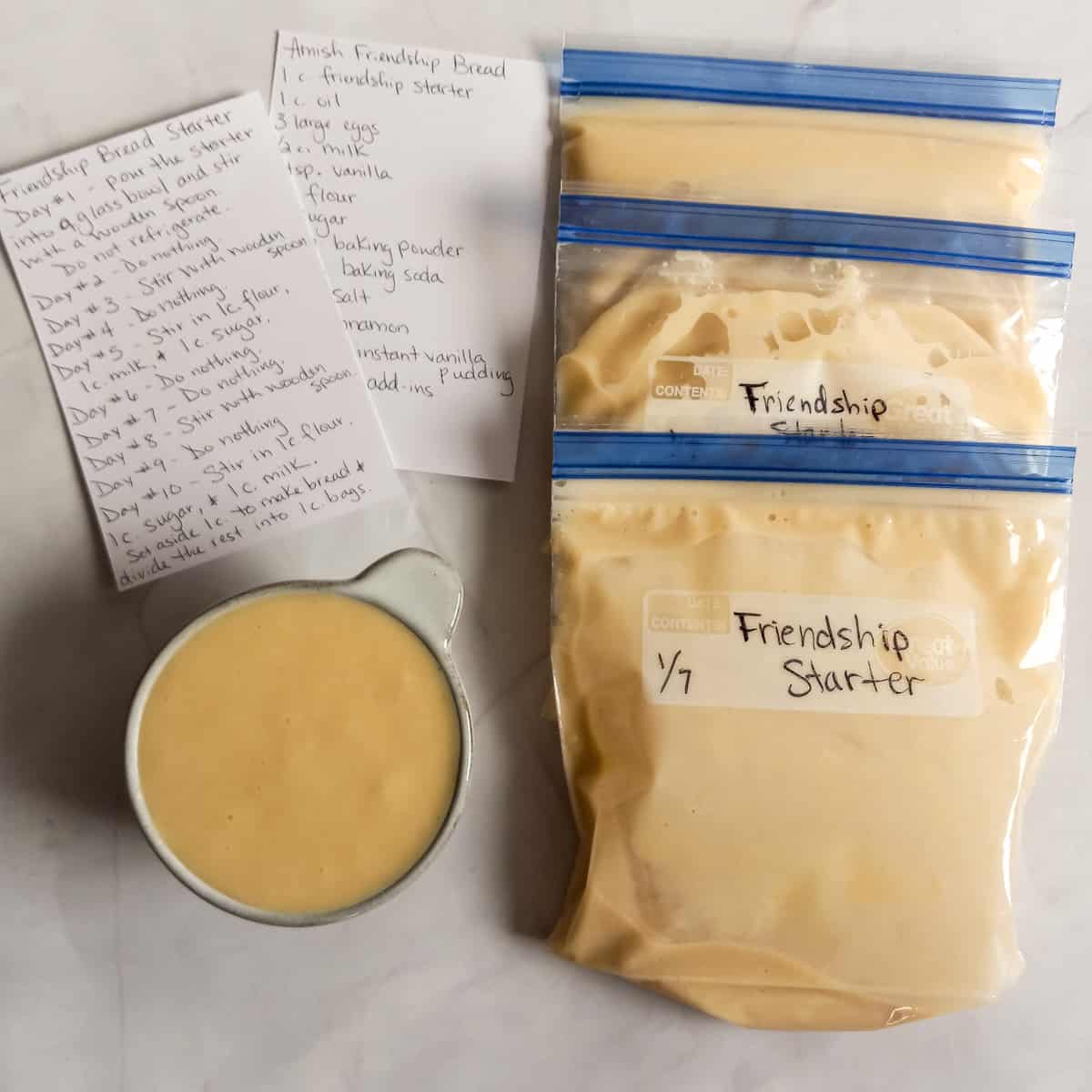
After the ten-day process, the mixture is divided, and bags of starters are given to friends along with a bit of love and instructions on how to care for and feed the starter. Recipients can then use the starter to bake their own delicious Amish Friendship Bread.
Friendship bread gets its name from the tradition of sharing a portion of the starter with friends rather than discarding it like with sourdough.
Today's post only includes the friendship bread starter recipe (homemade sourdough starter). You can find the cinnamon friendship bread recipe in another post.
Friendship Bread
I'm certainly no professional when it comes to working with sourdough cultures. Truth be told, I've never made Amish friendship bread until recently. Although, I have worked with regular sourdough before.
Creating an Amish bread starter is an easy process, but it demands time and patience as we allow the beneficial bacteria to carry out the fermentation process.
A friend gave my Amish mom a starter for friendship bread years ago, and I have memories of her using it to make bread, etc.
Sharing bread starter (sourdough culture) was a common tradition in our Amish circle when I was a kid. However, I think this is a tradition that may have gone by the wayside in some Amish communities. I don't remember hearing anything about friendship bread in my last number of years at home.
Starter with Commercial Yeast
Most friendship bread starters found online include active dry yeast in the recipe. If you want to have your starter ready to go in ten days, you can opt for the commercial yeast route.
Dissolve one packet (a scant Tbsp.) of active dry yeast in 1/4 c. warm water. Add it to one cup of flour, one cup of milk, and one-fourth cup of sugar. Stir with a wooden spoon and count this as day one of the 10-day cycle.)
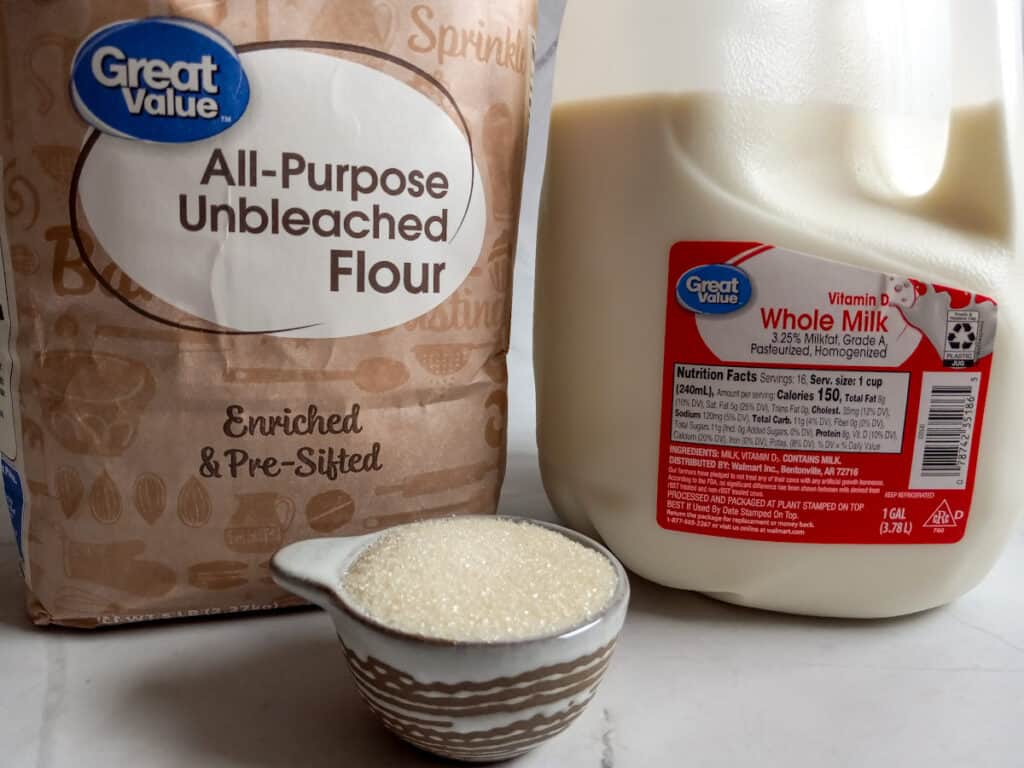
Amish Friendship Bread Starter Recipe Without Yeast (Takes Two Extra Days)
The starter recipe I am sharing today was found in one of my Amish cookbooks, and it does not include yeast. It is simply made with milk, flour, and sugar. Since there is no yeast, it takes two extra days to start from scratch.
On Day One, pour a cup of milk into a glass bowl and let the milk sit at room temperature for approximately 24 hours.
On Day Two, add a cup of unbleached flour and one-fourth cup of sugar to the room-temperature milk. Use a wooden spoon to mix the starter ingredients, cover lightly with a dish towel, and let it sit in a warm place overnight.
On Day Three, we are ready to proceed with Day #1 of the ten-day friendship starter cycle.
Creating a sourdough culture without commercial yeast involves capturing wild yeast and lactic acid bacteria from the environment.
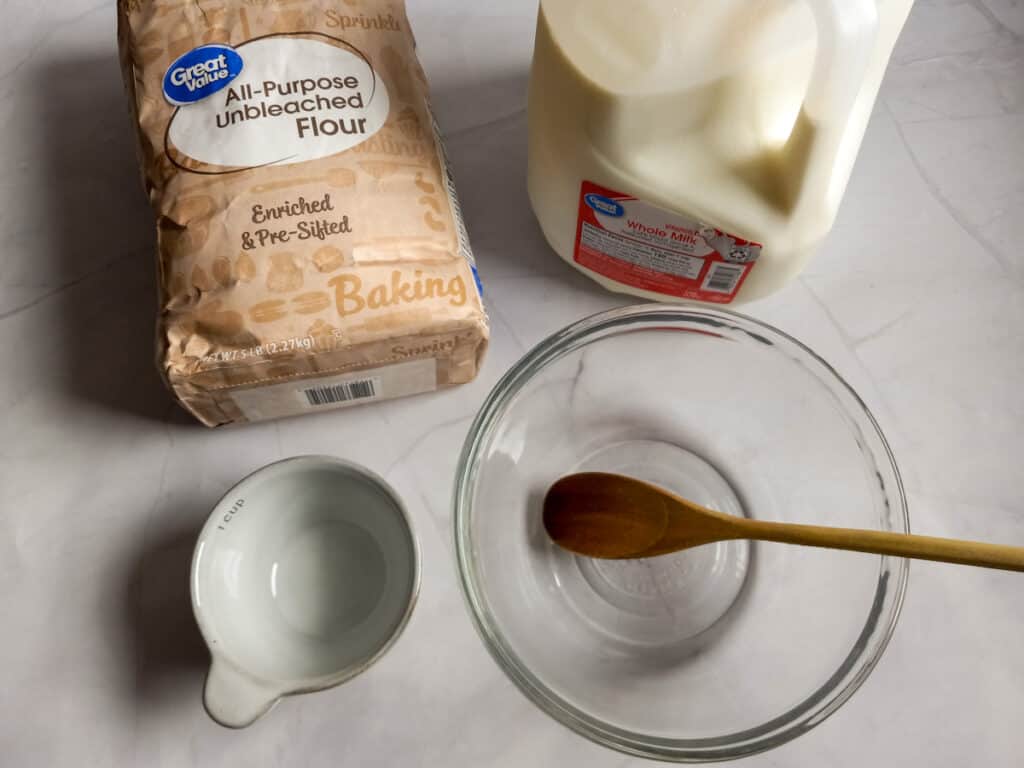
Ten-Day Process to Making Friendship Bread Recipe Starter
Once we have initially gotten the culture started, we are ready to continue with the ten-day friendship bread starter cycle.
(A few things to remember when working with this sourdough culture - Keep it lightly covered, in a warm place. Do not refrigerate. Do not use a metal bowl or a metal spoon to stir.)
Amish Friendship Bread Starter lives on a 10-day cycle. The basis of the cycle is feeding the starter every five days and dividing the starter every 10 days.
Day #1. Stir with a wooden spoon.
Day #2. Do nothing.
Day # 3. Stir with a wooden spoon.
Day #4. Do nothing.
Day #5. Add one cup milk, one cup sugar, and one cup flour. Stir with a wooden spoon. (At this point, you may need to transfer it to a larger bowl.)
Day #6. Do nothing.
Day #7. Do nothing.
Day #8. Stir with a wooden spoon.
Day #9. Do nothing.
Day #10. Add one cup of milk, one cup of sugar, and one cup of flour. Stir with a wooden spoon. Set aside one cup of starter to make a batch of friendship bread.
Divide the Starter
Divide the remaining starter into heaping one-cup portions. (I say heaping because some of the starter will get stuck in the bag. You want to make sure your friends have a full cup to make bread with.)
Place each cup of starter into separate ziplock plastic bags or plastic containers. Keep one of the bags and give the other two bags of friendship bread starter to friends, along with a copy of the 10-day instructions and the recipe for friendship bread.
Save one bag for yourself and either toss it into the freezer until ready to use or start the 10-day process all over again and make more bread.
The starter tastes better over time, so rather than making it fresh whenever you want some Amish Friendship Bread, consider keeping a bag of it on hand. If frozen in an airtight freezer bag, it should be fine in the freezer for up to a year.
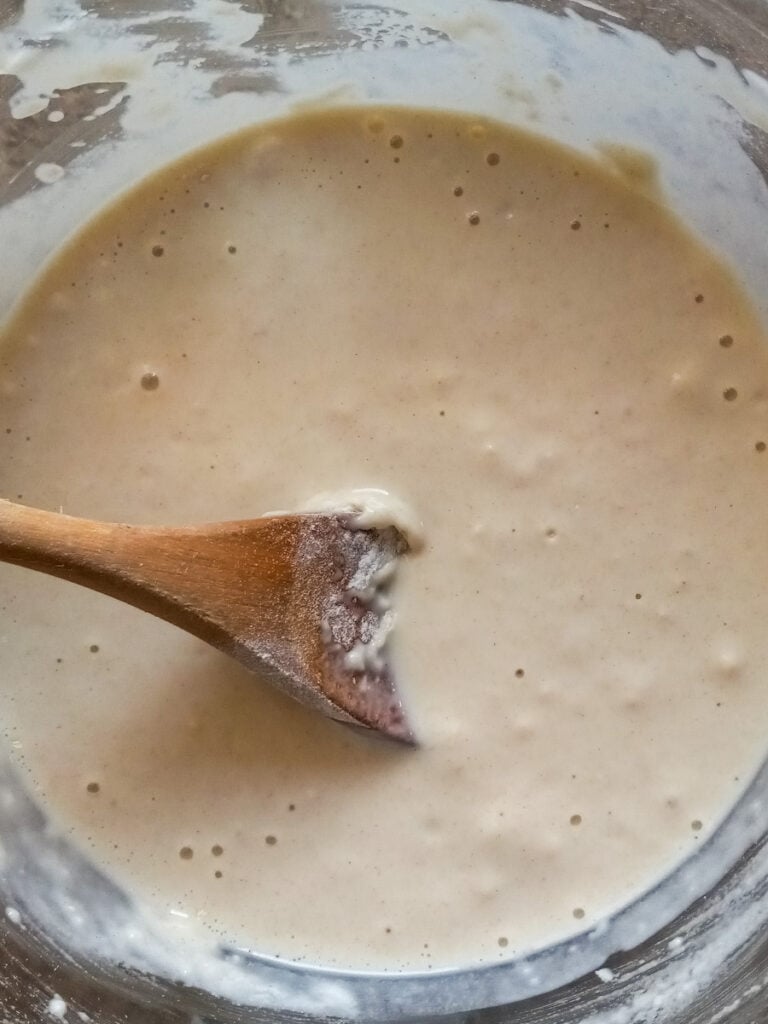
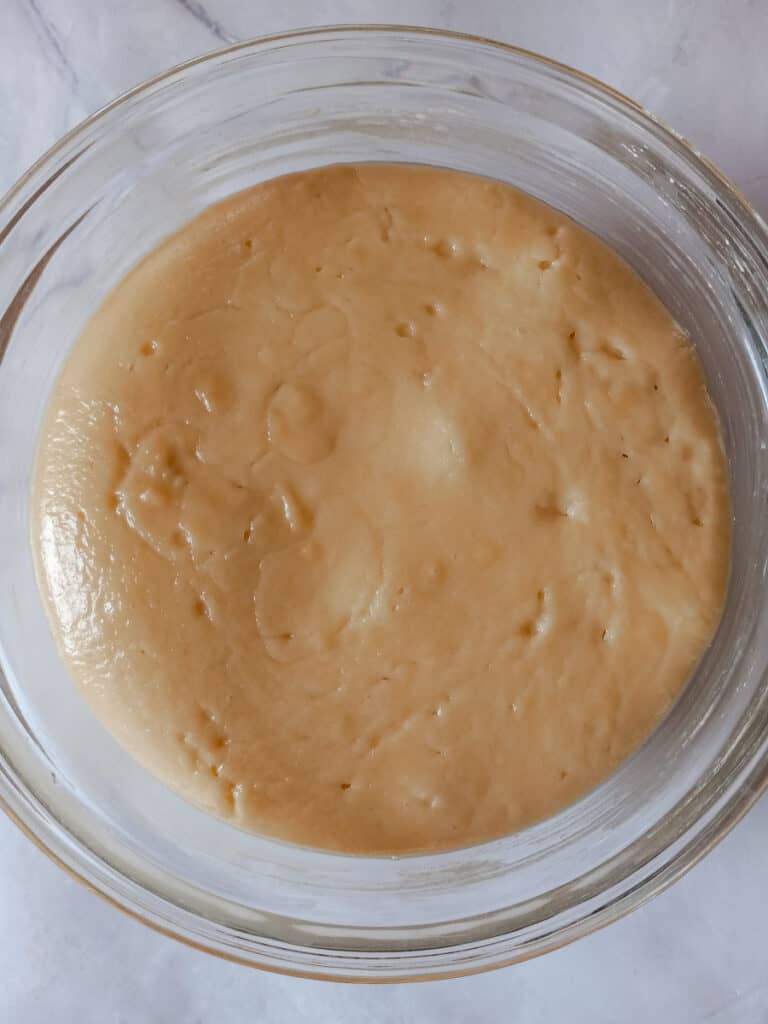
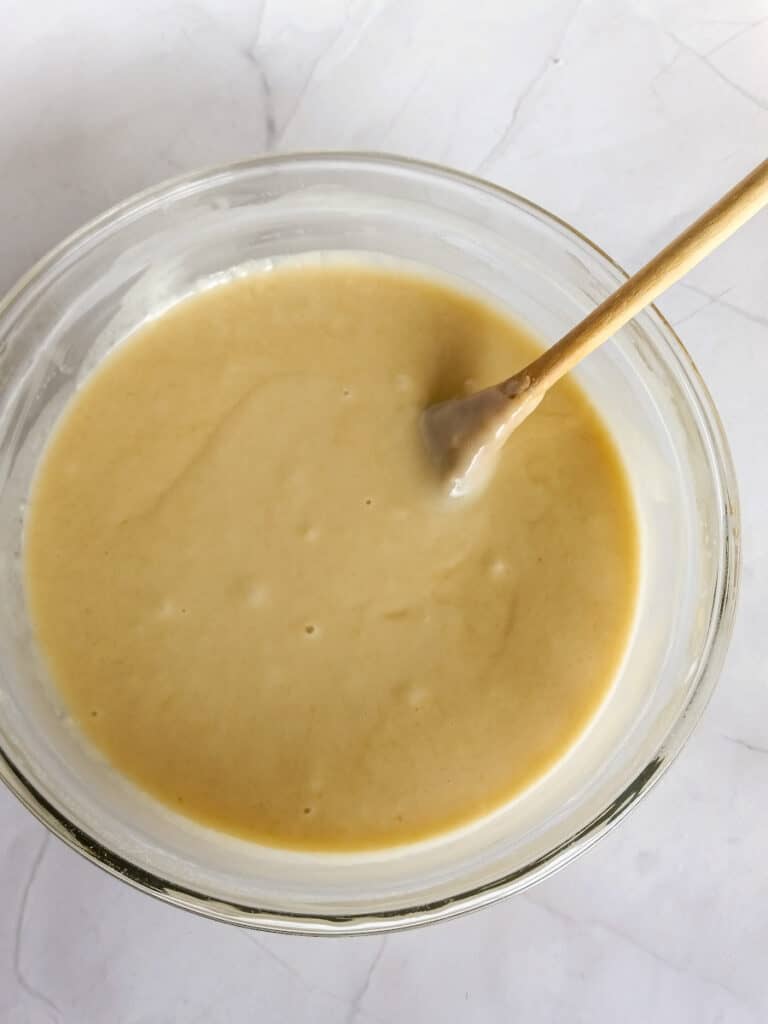
Freezing Amish Starter
Place one heaping cup of the active starter into a ziplock freezer bag and freeze it. (You may want to use a Sharpie to label and date it as well as write instructions on your bag.)
To use the frozen starter, thaw it at room temperature and begin the 10-day process again.
How Does Amish Sourdough Starter Work?
As stated, I don't claim to be a professional on sourdough culture. However, this is what I have gleaned from my research about how friendship breadstarter works. It goes through a process of fermentation driven by the activity of wild yeast and lactic acid bacteria.
The overall process involves the following steps:
- Capture of Wild Microorganisms:
- As you mix flour, milk, and sugar, the mixture is exposed to the environment. Wild microorganisms, including wild yeast and lactic acid bacteria, settle into the mixture.
- Fermentation:
- The wild yeast consumes the sugars present in the flour and sugar, producing carbon dioxide and alcohol through fermentation. This process leavens the dough and contributes to its rise.
- Lactic Acid Production:
- Lactic acid bacteria ferment the lactose in the milk, producing lactic acid. This contributes to the tangy flavor characteristic of sourdough.
- Acidification:
- As lactic acid accumulates, it lowers the pH of the mixture, creating an acidic environment. This acidity is essential for the growth of beneficial bacteria and yeast and helps prevent the growth of harmful microbes.
- Stabilization:
- Over time, with regular feeding, a stable community of microorganisms develops, creating a relationship between the yeast and bacteria.
- Leavening:
- The carbon dioxide produced during fermentation acts as a natural leavening agent.
Through these steps, the starter develops its unique flavor, texture, and leavening properties.
Fermentation
What is food fermentation? Fermentation is a natural process through which microorganisms like yeast and bacteria convert carbs - such as starch and sugar - into alcohol or acids.
Fermentation also promotes the growth of beneficial bacteria known as probiotics.
If you're new to Amish Friendship Bread, leaving this starter made with milk on the counter at room temperature might seem odd.
However, the starter quickly breaks down the flour, milk, and sugar through a fermentation process, creating a healthy starter.
Just think of making yogurt. When making homemade yogurt, the milk is left in a warm place for at least eight hours to allow fermentation.
Yogurt is one of the most commonly consumed fermented foods worldwide. It is produced by the bacterial fermentation of milk.
What is the Difference Between Sourdough and This Amish Starter Recipe?
This Amish Starter recipe for friendship bread works a lot like a regular sourdough starter.
However, while both sourdough and Amish Friendship Bread starters involve fermentation, they differ in their ingredients, flavor profile, and cultural associations.
Sourdough is known for its traditional, tangy bread, while Amish Friendship Bread usually produces sweet dessert-like loaves.
There are many varied recipes for sourdough starters, but a typical sourdough starter usually doesn't include sugar. Amish sourdough starter, however, includes a good amount of sugar making it a sweet starter.
The sweet and sour elements in the starter contribute to the distinctive flavor of Amish Friendship Bread.
Sourdough Bread
Years ago, homemakers usually kept their jars of sourdough culture in the kitchen, often on a countertop or shelf. The kitchen provided a stable environment for the sourdough, and having it accessible made it easy for regular feeding and baking.
They typically used glass or ceramic jars with loose lids to allow air exchange. This practice reflected the central role of breadmaking in household cooking, providing a convenient way to have fresh bread regularly.
Times have changed, and the majority of women no longer bake homemade bread. It has been replaced with commercial store-bought yeast bread. And the truth is, many of us find our stomachs are struggling to accept our modern diets.
In light of increasing health concerns and economic challenges, more people are actively seeking healthier homemade alternatives. Today, it seems like more people are turning back to sourdough bread because they've found it's a healthier option than bread made with commercial yeast.
Sourdough's natural fermentation process makes it easier to digest and boosts the availability of nutrients like B vitamins and minerals. Plus, it tends to have a lower impact on blood sugar levels compared to yeast breads.
Can I Use This Starter in Sourdough Recipes?
This Amish starter is great for making sweet sourdough baked goods and can be used to make lots of delicious treats. However, if you want to use this sourdough for making traditional Artisan-style sourdough bread, I would cut way back on the amount of sugar added.
If you are new to sourdough, you may want to do some research into using sourdough and how to keep your starter active. There's lots of information on the internet about sourdough nowadays, and I'm leaving one link for you to get started if you're interested.
Even though I enjoy a delicious slice of crusty sourdough bread, not to mention that it's healthier for you. It is still hard to beat a soft warm slice of homemade white yeast bread or honey wheat bread.
However, when it comes to quick bread, Amish friendship bread is one of the best! Seriously, this stuff is so moist and delicious!
Amish Quickbread Recipes
Quickbread makes some of the best breakfast breads. Similar to muffins, quick bread is perfect with a morning cup of coffee.
Amish friendship bread could also be called "cinnamon quick bread". However, I'm not sure that it can classify as "quick bread" since it is made with a friendship starter that takes twelve days before it's ready to use. 🙂
If you enjoy quick bread, you may also want to try my banana bread recipe, zucchini bread recipe, and apple cinnamon bread recipe.
The Amish Friendship Bread starter is what makes Amish friendship bread unique and special. It's all about sharing with others, and a little starter can go a long way.
If you use this Amish starter recipe to make friendship bread, I'd love it if you left a comment and star rating below. Thank you!
Follow this link to find the recipe for Amish friendship bread.
AMAZON DISCLOSURE: I am a participant in the Amazon Services LLC Associates Program, an affiliate advertising program designed to provide a means for me to earn fees by linking to Amazon.com and affiliated sites. If you click on a link to make a purchase, I may earn a small commission at no extra cost to you. Thank you.
Items You May Need...
Pyrex Smart Essentials 3-Piece Prepware Mixing Bowl Set, 1-Qt, 1.5-Qt ,and 2.5-Qt Glass Mixing Bowls
14 Inch Large Wooden Spoon for Cooking Mixing Spoon
Glass Canning Jar with Hinged Lid - 2 Liter (If you want to make friendship bread every ten days, you may want to keep your starter in a pretty jar on the countertop. Leave the lid loose though, you don't want it airtight.)
Visit my shop to purchase my cookbook
Starter Recipe for Amish Friendship Bread (Sourdough Culture)
Ingredients
- 1 cup milk (whole or 2%)
- 1 cup unbleached all-purpose flour
- 1/4 cup sugar
- milk (whole or 2%)
- unbleached all-purpose flour
- sugar
Instructions
- Amish friendship bread starter requires a 10-day fermentation process before it is ready to use for making bread. However, since this recipe doesn't use any commercial yeast, we need to add two extra days to the initial starting process. After getting a culture started we resume the 10-day process.
- Pour 1 c. of milk into a glass bowl and let it rest at room temperature for 24 hours.1 cup milk (whole or 2%)
- The next day, add 1 cup flour and 1/4 cup sugar. Stir it with a wooden spoon, cover lightly with a clean dish towel, and set it in a warm place. The next day counts as day one. (Do not refrigerate. Do not use a metal bowl. Do not use a metal spoon to stir.)1 cup unbleached all-purpose flour, 1/4 cup sugar
- The Amish Friendship Bread Starter operates on a 10-day cycle, involving the routine of feeding the starter every five days and dividing it every 10 days.
- On Day #1. Stir with a wooden spoon.
- On Day #2. Do nothing.
- On Day #3. Stir with a wooden spoon.
- On Day #4. Do nothing.
- On Day #5. Add 1 cup milk, 1 cup sugar, and 1 cup of flour. Stir with a wooden spoon. Place in a larger bowl if needed. Cover lightly and set in a warm place.
- On Day #6, Do nothing.
- On Day #7. Do nothing.
- On Day #8. Stir with a wooden spoon.
- On Day #9. Do nothing.
- On Day #10. Add 1 cup milk, 1 cup sugar, and 1 cup of flour. Stir with a wooden spoon. Set aside 1 cup of starter to make friendship bread.
- With the remaining starter, put one heaping cup of starter into three separate ziplock bags or containers. Keep one of the bags and give the other two to friends, along with a copy of the 10-day instructions and the recipe for friendship bread.
- To have the flexibility of baking friendship bread whenever you wish, always set aside an additional bag for yourself. You can either freeze it until you're ready to use again or restart the 10-day process. The starter improves in taste with time, so instead of making it fresh every time you crave Amish Friendship Bread, it's a good idea to keep a bag handy. If frozen in an airtight freezer bag, it should be good for up to a year.



Linda
Hello Anna, Thank you for so much for this recipe and the research you put into it 🙂 I live in Lancaster County and was just talking with my sisters about remembering when we used to use a starter like this, but we called it "Herman's head". I don't know why - think that's what it was called when it was passed along to us. Anyway, I am going to try this and gift it to my sisters for fun! I will let you know if I get it right 😉 I would also like to add that I am so happy to discover your website and recipes. I was moved by your story and wish you and your family many blessings!
Anna
I am so glad that you are here. Good luck with the starter.